 English
 عربى
Electric Vibrator Motors: The Quiet Force Behind Concrete That Lasts A poker vibrator is only ever as good as the motor turning it. Here is...
READ MORE
Most concrete vibrator failures look like motor failures and are not. The pattern repeats on site: a head turning slowly, a hose running warm, a drive unit that trips after twenty minutes of continuous pour. By the time the complaint reaches the supplier the conversation is about windings, yet the fault sits inside the component set — a coupling that never fully seated, a shaft core too stiff for the bend radius, or a bearing nobody wrote a tolerance for. Buying a motor is straightforward. Buying a matched component set is where a pour schedule is won or lost.
The conclusion first: specify the set, not the motor. Voltage and frequency, motor type, coupling pattern, shaft length and core, head diameter and bearing class have to be fixed together before a quote means anything. A 2 kW drive unit bolted to the wrong pin-type head is still a 2 kW drive unit, and it still does not consolidate concrete.
A vibrator is usually sold by its motor rating, but the motor is one line on the packing list. A portable electric unit typically breaks down into the items below, and each one carries its own lead time, failure mode and price sensitivity.
Couplings and heads are machined to regional patterns, stators are wound to the destination market's voltage, and hoses are cut to length. Three suppliers mean three tolerance stacks, which is why the assembly question comes back later in this article.
Component priorities shift with the drive family. A buyer comparing three quotes for "a 2 kW vibrator" may be comparing three different risk profiles without knowing it.
| Drive family | Components carrying the load | What fails first in the field | What to lock in the PO |
|---|---|---|---|
| Portable AC drive unit, 1–2 kW | Stator, rotor, brushes, switch, thermal cutout | Brush wear, cable entry, switch | Brush grade, no-load current band, plug standard |
| High-frequency motor, 200 Hz | Induction stator, sealed bearings, roll cage | Bearing noise, heat at the free end | Hz rating, insulation class, matched generator |
| Gasoline or diesel drive | Engine, clutch adaptor, bearing housing, shaft | Coupling alignment, RPM drop under load | Adaptor thread, rated RPM at load, fuel spec |
The table is not a ranking. It is a reminder that the cheapest quote often wins on a row the buyer is not reading, usually the bearing specification or the coupling pattern.
 Electric Vibrator Motors for Concrete ConsolidationBrowse handheld and frame-mounted motors across power ratings and regional coupling standards to match existing shafts and fleet requirements.View Product →
Regional coupling standards are the single largest source of mismatch in concrete vibrator orders. The common families are Chinese quick-coupling, Japanese pin type, Korean pin type, Malaysian two-claw and Indonesian type, and they differ in pin diameter, claw spacing, thread and hose-end geometry. None of them is better than another; they simply match what the customer's crews, rental fleets and spare-parts shelves already use.
The failure is quiet. A head that half seats will still run, rattle and slowly destroy the coupling and the hose liner, and the site will blame the motor because the motor is the visible part. If the buyer's market runs Japanese pin-type heads, a cheaper Chinese quick-coupling drive is not a saving; it is an incompatible product with a return freight bill attached.
 Japanese Pin Type Concrete Vibrator Hose PokerCP-J series heavy-duty hose poker with Japanese pin-type coupling, up to 12 m hose and 30–70 mm heads for deep, high-volume pours.View Product →
A practical check: ask the supplier to fit the destination coupling to a sample motor and run it with a loaded shaft for thirty minutes. Factories that build both motor and shaft can do this in-house. Trading offices usually cannot.
Once the coupling is fixed, the remaining risk moves to the flexible shaft and head. These are the specifications that appear in a good purchase order and are missing from most:
A component set that passes on the bench and fails on the third pour usually skipped one of these checks. They are cheap to run and expensive to skip.
Buyers who want the longer version of this routine can read our buyer's guide to concrete vibrator motors, which walks through the same checks from the motor side.
The arithmetic of tolerance stacks is simple: every extra supplier adds one more place where a dimension can drift. A factory that builds motor, shaft and head under one roof can test the system before it leaves and can hold a coupling pattern in stock instead of ordering it after the complaint.
FLONPRO, the export brand of Ningbo Tongque Machinery, sits in that position: roughly 15 years in power tools, a plant of about 10,000 m² near Ningbo and Shanghai ports, OEM and ODM work, and export turnover between 5 and 10 million USD. The concrete vibration range covers electric vibrator motors, gasoline and diesel drive units, poker shafts in Chinese, Indonesian, Japanese, Korean and Malaysian patterns, plus portable and high-frequency units.
 GQ-M08 Gasoline Concrete Vibrator Drive UnitCommercial 4-stroke 5.0 HP unit on a rotating dampened base, with quick-lock coupling for off-grid concrete pours and mainstream shafts.View Product →
That matters most for buyers replacing a mixed-brand fleet: the whole set can be quoted, tested and packed as one system, with one spare-parts list. See the wider FLONPRO tool range or ask for the current regional coupling list before the next RFQ.
Before the next purchase order goes out, fix five things in writing: motor type with voltage and frequency, coupling pattern with pin diameter, shaft length and core, head diameter and bearing class, test reports and spare ratio.
Answer those and the component set stops being a list of parts. It becomes a machine that finishes pours on schedule, and a specification your supplier can be held to.
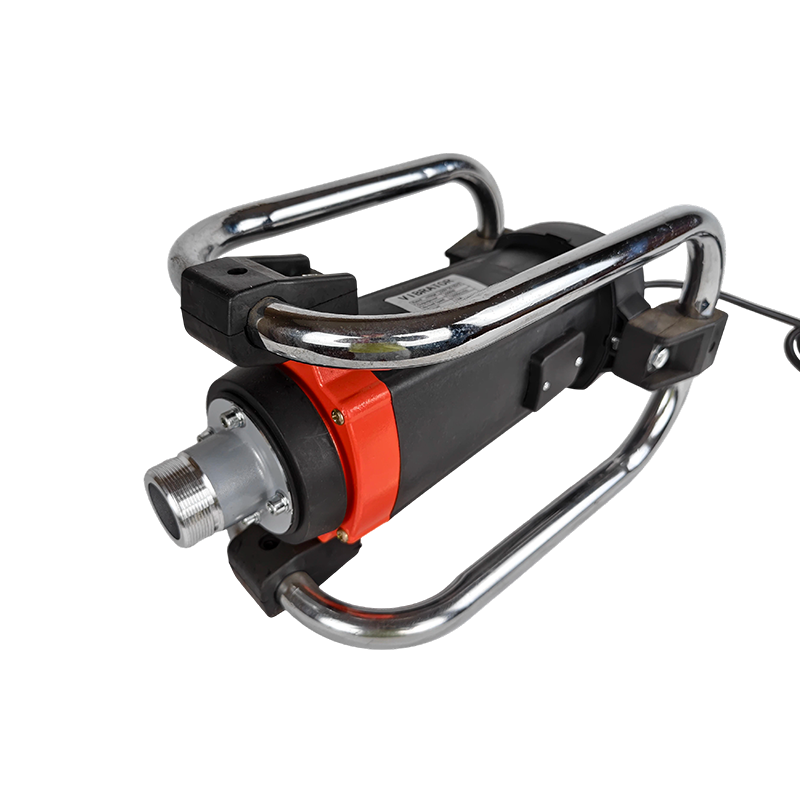
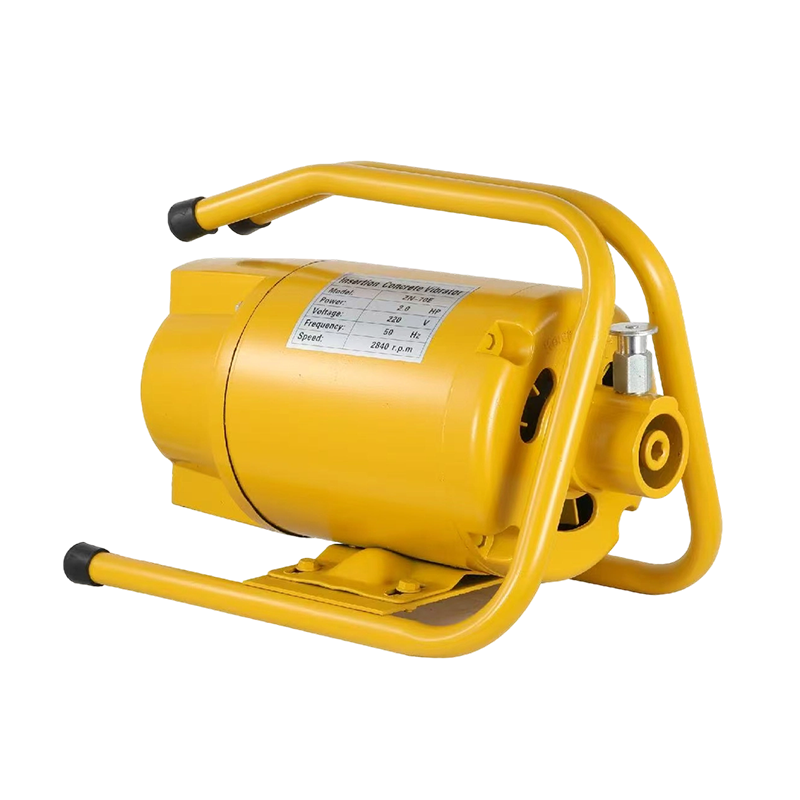 Japanese Type Concrete Vibrator Motor
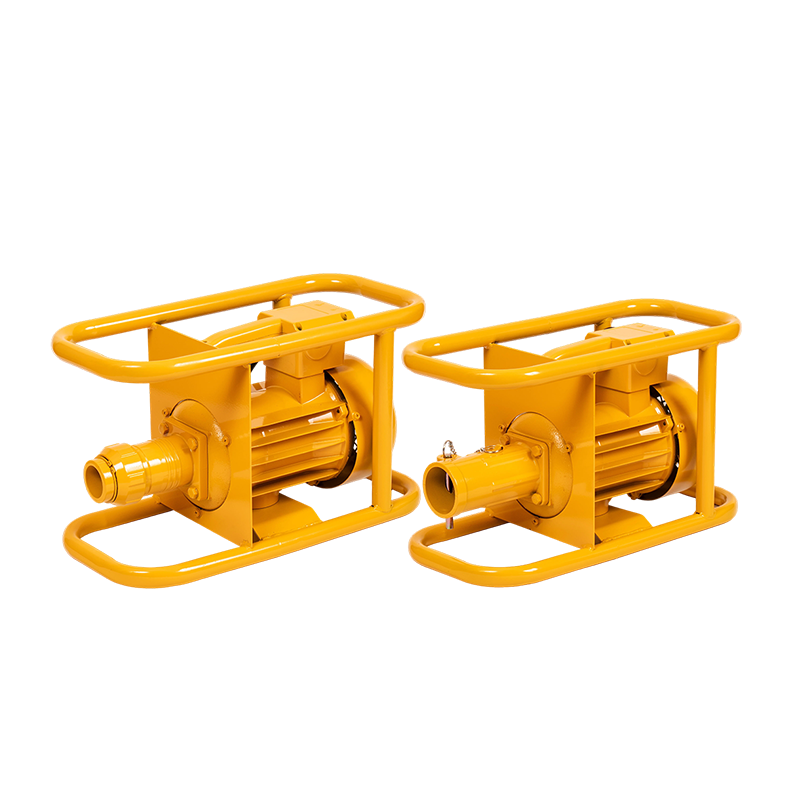 Japanese Type Concrete Vibrator Motor (with Frame)
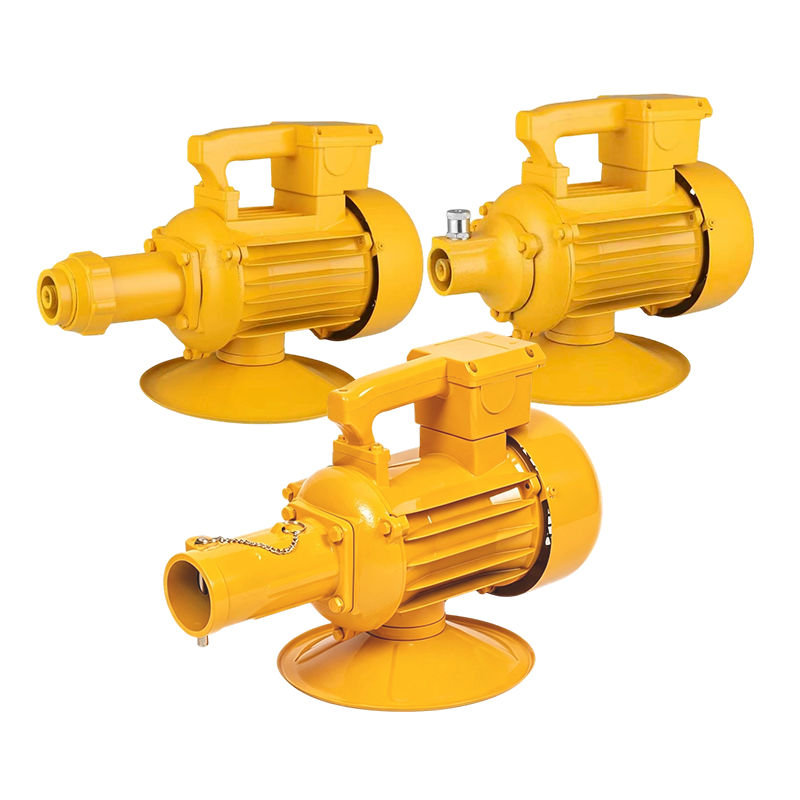 Malaysian Type Concrete Vibrator Motor
Handheld Electric Concrete Vibrator Motor with Screw Thread Coupling
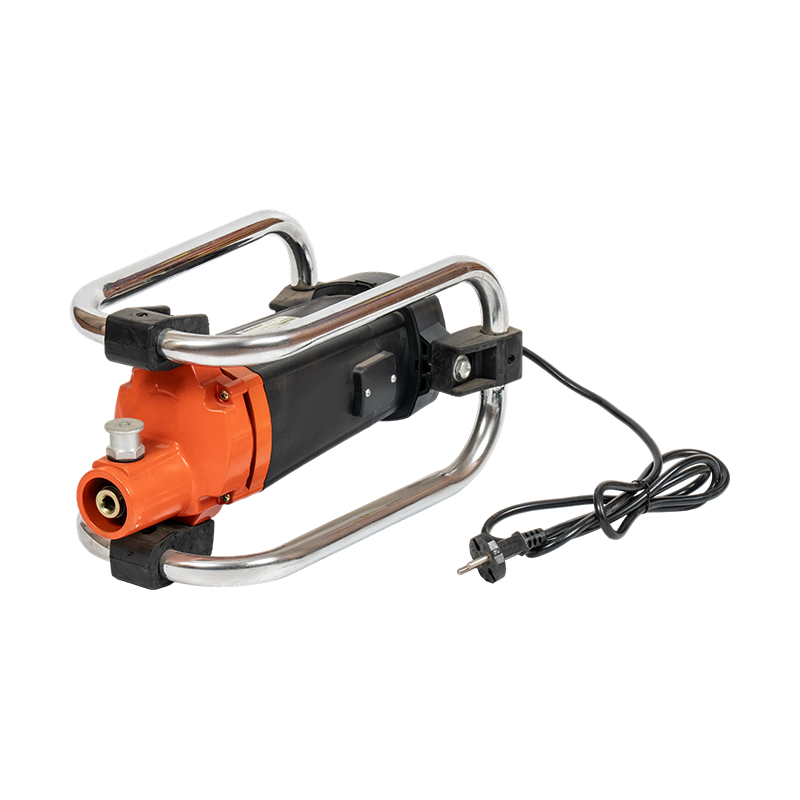 Japanese Type Concrete Vibrator Motor
 GQ-V07 Industrial Grade 1200W Motor High Frequency Electric Concrete Vibrator
Electric Vibrator Motors: The Quiet Force Behind Concrete That Lasts A poker vibrator is only ever as good as the motor turning it. Here is...
READ MORENingbo FLONPRO Machinery launches the upgraded portable battery concrete vibrator, designed to replace conventional corded models on const...
READ MOREAs a professional manufacturer focusing on construction tools for 15 years, FLONPRO concrete vibrator poker adopts advanced brushless motor ...
READ MORE
Ready To Customise Your Products?

We are a professional machinery manufacturing enterprise integrating R&D, production and export. With stable product quality and strong export capabilities, we have established a good brand reputation in the global cordless and corded power tools market.
Quick Links
Contact Us
Telephone:
+86-138 6780 0831
+86-137 3610 1054
Email:
jacky@flonpro.com
Lucy@flonpro.com
Company Address
No. 88, Meiyuan Industrial Zone, Yinjiang Town, Haishu District, Ningbo, Zhejiang, China
