 English
 عربى
A product manager from a European tool importer lands in Ningbo with a 21V brushless impact wrench specification: 470 N·m of torque, two 4...
READ MORE
Sourcing Cordless Power Tools: What Separates a Factory From a Reseller
Battery platform, torque ladder, and regional couplings decide whether a container sells through or sits in the warehouse.
Picture a first order: 500 brushless impact wrenches, 200 drills, and chargers for a 21V platform, all packed and shipped. Twelve weeks later the distributor discovers the spare packs do not fit the drills from a second line, the chargers arrived with the wrong plug for the market, and the torque printed on the box was measured on a bench rather than on a wheel nut. Nothing was defective. The sourcing decision was.
The short version: judge a cordless power tools supplier on three things — the battery platform it can actually sustain, the torque and power ladder it genuinely manufactures, and whether it can deliver the regional variants your market expects. Price is the fourth question, not the first.
A manufacturer such as FLONPRO (Ningbo Tongque Machinery) is a useful reference point for what that looks like in practice: roughly 15 years in power tools, a 10,000 m² plant in Ningbo with fast access to Ningbo and Shanghai ports, and export turnover holding between USD 5 and 10 million a year. Those figures matter less as credentials than as clues to capacity — a plant that size can run multi-category orders without your program disappearing into a queue.
The difference appears in the questions a supplier can answer without phoning someone else. A trading company quotes from a catalog; a factory can explain why a motor was wound a particular way, what happens to pack temperature at high stall torque, and how much of the housing tooling it actually owns.
For brand owners, the practical split is OEM versus ODM. OEM means the design is yours and the factory builds to your specification, packaging, and label. ODM means the factory brings the platform, housing, and series architecture, and you adapt it to your brand and market. Both need the same underlying capability: motor and pack assembly under one roof, incoming inspection of cells and electronics, and an in-line test before packing.
A supplier that cannot walk you through the pack assembly line, the motor winding area, and the final test bench is not a manufacturer of cordless tools — it is a channel for someone else's.
Ask to see the plant. Experienced buyers treat a factory visit as due diligence rather than hospitality, and a supplier willing to open its floor is telling you something about both process control and confidence.
Most cordless ranges settle into two voltage tiers: a compact 16.8V class for drills and light assembly, and a 21V main platform carrying impact wrenches, saws, grinders, and outdoor tools. The tier matters because packs, chargers, and protection boards are shared across the whole line. Get the platform wrong and every later addition inherits the problem.
Three technical points decide whether a platform holds together in the field:
Cordless impact wrench ranges are usually built as a ladder rather than a single model, because the jobs they serve demand very different torque. A 350 N·m tool is a maintenance wrench; a 1,300 N·m unit is heavy industrial equipment that changes what the housing, anvil, and pack must survive.
| Torque tier | Typical use | What to verify before ordering |
|---|---|---|
| 350 N·m | Automotive light repair, passenger-car wheel nuts, assembly | Socket fit, weight, run time per charge |
| 470–600 N·m | General maintenance, scaffolding, light structural bolting | Unit-to-unit consistency at the top of the range |
| 700 N·m | Professional workshops, tyre shops, machinery service | Anvil durability and heat build-up during repeated cycles |
| 1,000 N·m | Heavy vehicle service, industrial assembly | Drive size options and pack discharge behaviour under load |
| 1,300 N·m | Heavy industrial and structural fastening | Housing strength, anvil grade, realistic duty-cycle claims |
Two sourcing risks live inside that table. The first is a torque figure measured at breakaway rather than at sustained tightening — useful for marketing, misleading for specification. The second is a range that jumps from 350 N·m to 1,300 N·m with nothing between, forcing your customers to buy either too much tool or too little.
A well-built supplier program fills the ladder. If you are deciding which rungs your catalog needs, this breakdown of matching brushless impact wrench power to real fastening jobs is a sensible starting point before you commit to a range.
This is where experienced importers spend their time. Concrete equipment illustrates it well, because the connection between a drive unit and a poker is a local standard rather than a universal one. Coupling geometry, pin diameter, and hose construction differ by market, and a tool that fits one country's fleet simply will not fit another's.
| Variant | Where it sells | Practical difference |
|---|---|---|
| Chinese quick coupling | Domestic and general export | Fast changeover, widely available spares |
| Japanese pin type | Japan and Japanese-spec fleets | Pin retention geometry and hose stiffness |
| Korean pin type | Korea | Different pin arrangement, matched to local drive units |
| Indonesian type | Indonesia | Coupling and poker length suited to local site practice |
| Malaysian 2-claw | Malaysia | Two-claw locking, distinct from pin-type systems |
The same logic applies to cordless tools in less obvious ways: charger plug and certification for the destination, manual language, the packaging configuration your retail channel requires, and whether spare parts ship with the order or later at air-freight cost.
Vetting does not require a consulting budget, only a sequence. Run these in order and most unsuitable suppliers eliminate themselves before sampling begins.
Distribution economics reward depth in a few lines and breadth across a few categories. Cordless tools produce the repeat purchase — packs, chargers, bare tools — while corded and hand tools fill the gaps that decide whether a customer sees you as a tool source or a one-product vendor.
Cordless has also moved into work that used to be corded only. A 21V concrete vibrator now covers small pours, repair work, and sites without reliable power, while corded and gasoline drive units stay with high-volume pours. Buying both from one manufacturer means shared quality standards and a single shipment.
 GQ-V03 21V Cordless Concrete VibratorA battery-powered concrete vibrator for small pours, repair work, and sites without reliable power, with variable speed and poker lengths up to 4 m.View Product →
Hand tools are the quiet half of that equation. A cordless order that also includes hand tools for the same job sites — levels, strippers, pipe cutters, socket sets — arrives as a complete kit for the contractor and as a simpler purchase order for you.
The best cordless power tools suppliers are not the ones with the longest catalog or the lowest quotation. They are the ones that can explain their platform, hold a torque ladder steady from batch to batch, and produce the regional variant your customer already owns. Price, packaging, and delivery become negotiable once those three are settled.
 GQ-V03 21V Cordless Concrete Vibrator
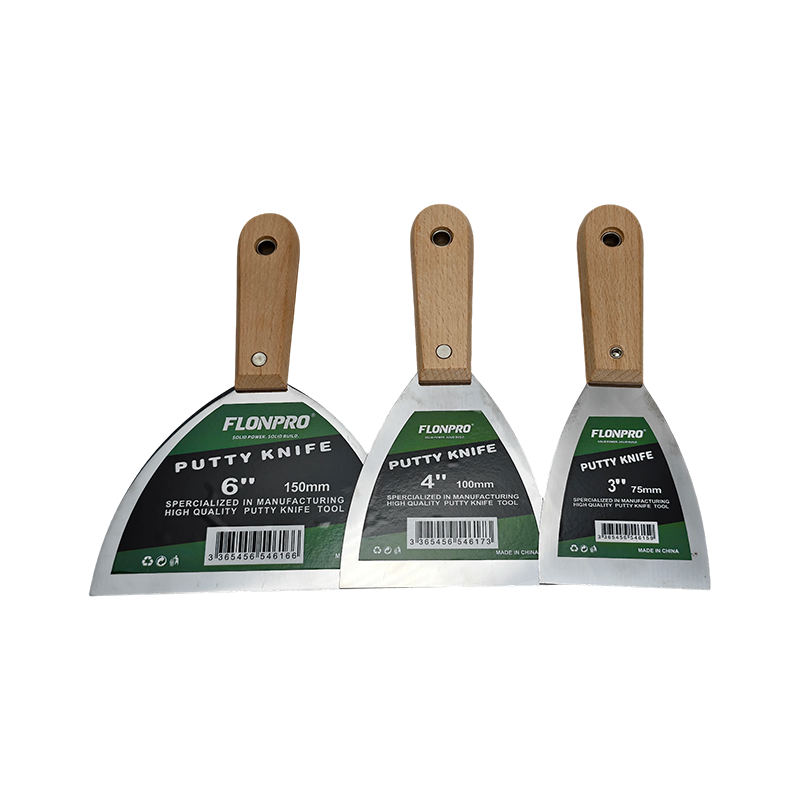 Wooden Handle Stainless Steel Flat Putty Knife - GQ-JL02025 Series
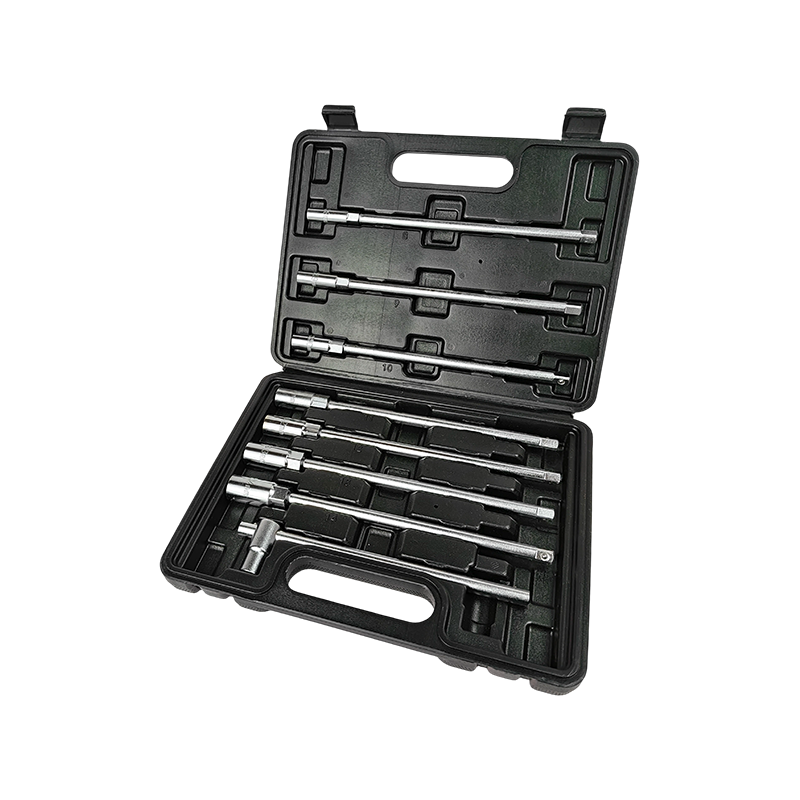 8-Piece Long-Shaft T-Handle Socket Wrench Set with Sliding Bar - GQ-JF-ZT5008
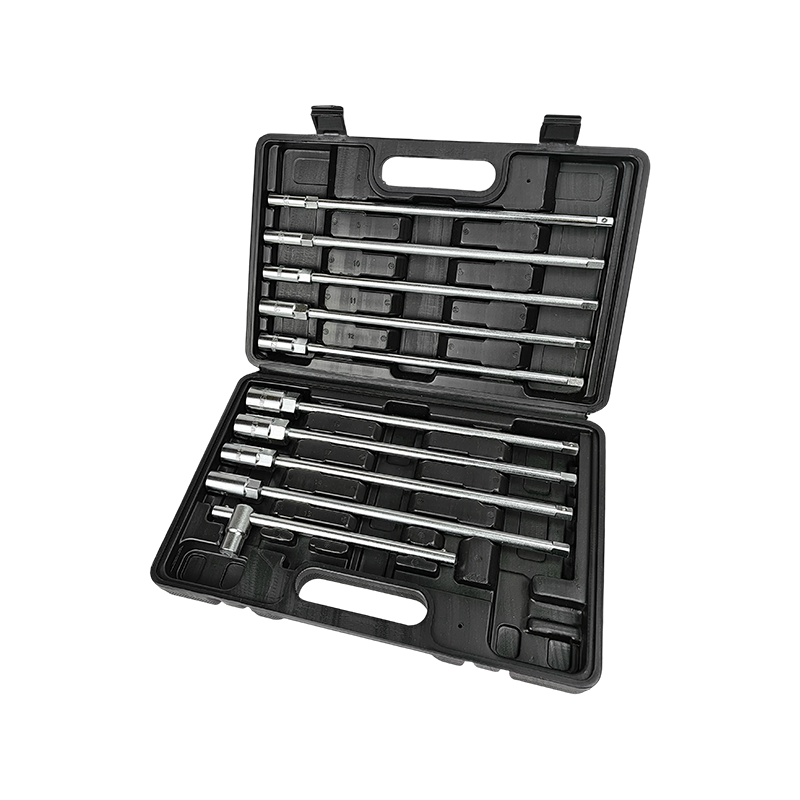 10-Piece Long-Shaft T-Handle Socket Wrench Set with Sliding Bar - GQ-JF-ZT5011
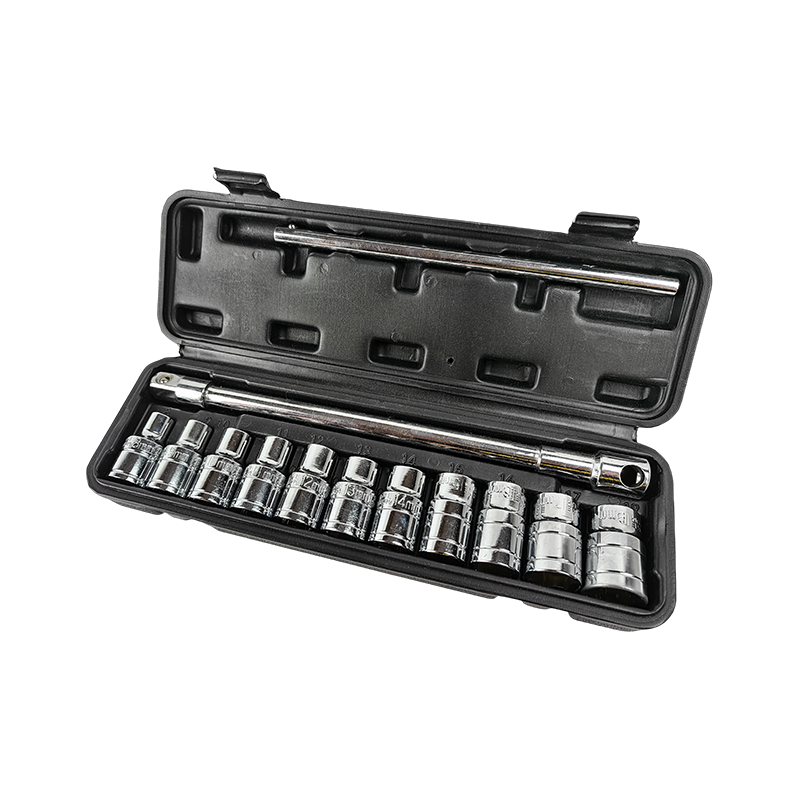 13-Piece 1/2" Drive Interchangeable T-Handle Socket Set - GQ-JF5013
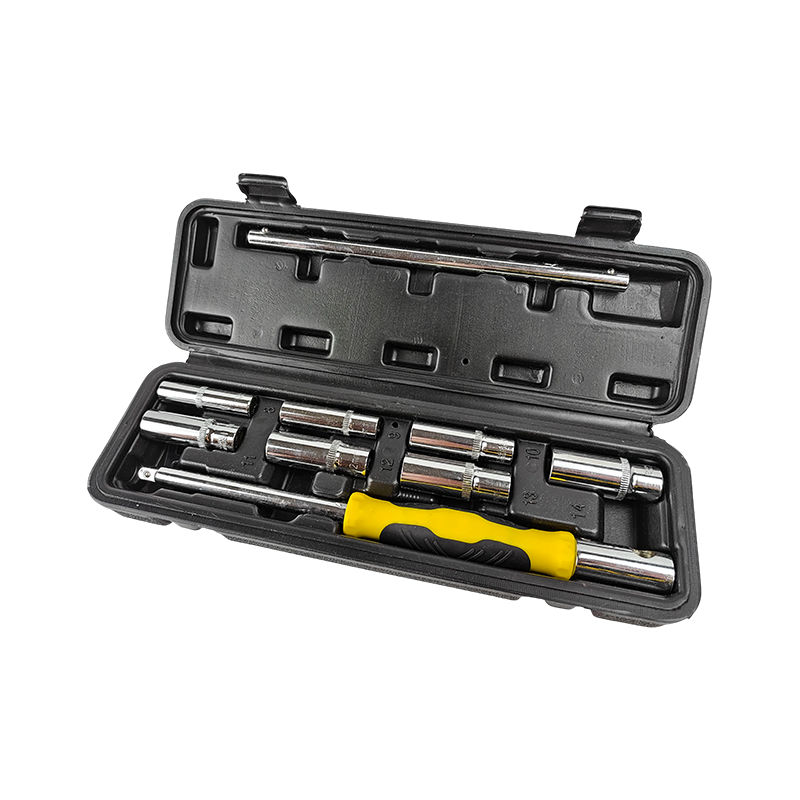 9-Piece 1/4" Drive T-Handle Socket Set - GQ-JF5009A
A product manager from a European tool importer lands in Ningbo with a 21V brushless impact wrench specification: 470 N·m of torque, two 4...
READ MOREMultifunctional Power Tools: One Platform, Every Job A practical look at how modern cordless platforms simplify professional work, why mul...
READ MOREBenefiting from 15 years of experience in construction tools, our blowers adopt high-performance brushless motors to deliver strong and stea...
READ MORE
Ready To Customise Your Products?

We are a professional machinery manufacturing enterprise integrating R&D, production and export. With stable product quality and strong export capabilities, we have established a good brand reputation in the global cordless and corded power tools market.
Quick Links
Contact Us
Telephone:
+86-138 6780 0831
+86-137 3610 1054
Email:
jacky@flonpro.com
Lucy@flonpro.com
Company Address
No. 88, Meiyuan Industrial Zone, Yinjiang Town, Haishu District, Ningbo, Zhejiang, China
