 English
 عربى
عربىBenefiting from 15 years of experience in construction tools, our blowers adopt high-performance brushless motors to deliver strong and stea...
READ MORE
INDUSTRY NEWS · TORQUE & FASTENING
Workshop floors, tire bays, roadside service vans and heavy equipment yards have all shifted toward battery-powered fastening tools. The question that keeps returning from technicians, fleet managers and tool buyers is simple: Are cordless impact wrenches any good? The honest answer depends on what you are loosening, how the tool is rated, and whether the operator understands the gap between tightening torque and breakaway torque. This report walks through the numbers behind lug nut removal, explains what size impact will take off lug nuts, tests whether 300 ft lbs and 250 ft/lbs are realistic figures, and shows how to adjust torque on cordless impact wrench models so the tool performs the way it was designed to perform.
80–150
ft lbs — typical passenger car lug nut tightening specification
1/2"
square drive — the most common answer to what size impact will take off lug nuts
450–700
ft lbs breakaway — a realistic professional tire bay target
2.0–3.5
kg — tool body weight that separates a usable unit from a shelf queen
A lug nut torqued to 100 ft lbs does not release at 100 ft lbs. Thread friction, corrosion, thread pitch deformation, heat cycling, galvanic bonding between steel studs and aluminium wheels, and previous over-tightening all raise the force required to break the joint. In field measurements, a nut fastened to 100 ft lbs commonly requires 180 to 260 ft lbs to release after one winter of road salt exposure. A nut that was hammered on with an uncalibrated tool at 250 ft lbs can demand 500 ft lbs or more to come free. This single fact explains why so many buyers are disappointed after purchasing a tool based on the tightening number printed on a wheel specification sheet.
The distinction matters because a cordless impact wrench is rated on two different figures that are frequently confused. Fastening torque describes how much rotational force the tool can apply when driving a fastener inward. Breakaway torque, sometimes called removal torque or nut-busting torque, describes the peak force the tool can deliver in reverse to release a seized or pre-torqued joint. A unit may fasten at 300 ft lbs while breaking away at 600 ft lbs, or the reverse, depending on the impact mechanism, anvil geometry, motor control strategy and battery state.
QUESTION 01
Yes, for the majority of daily fastening and removal work — with conditions. Modern brushless motors, lithium-ion platforms and electronic motor control have closed most of the performance gap that corded and pneumatic tools once held. A well-built cordless impact wrench delivers consistent torque, starts instantly, needs no air line, and can be carried into locations where a compressor hose cannot reach. The conditions are these: the tool must be matched to the joint, the socket must be impact-rated, the battery must be in a healthy state of charge, and the operator must understand that repeated hammering on a stubborn fastener generates heat rather than extra torque. Under those conditions, cordless impact wrenches outperform expectations in tire service, suspension work, chassis repair and structural bolting.
QUESTION 02
For passenger cars, crossovers, SUVs and light pickup trucks, a 1/2 inch square drive is the working standard. It offers enough anvil strength to survive repeated impact cycles while remaining light enough to handle overhead. For heavy pickup trucks, commercial vans and box trucks, 3/4 inch drive is preferred because the larger anvil resists fatigue and transmits higher peak torque. For semi-trucks, buses, agricultural equipment and mining machinery, 1 inch drive is normal. A 3/8 inch drive will physically fit many lug nuts, but it is generally underpowered and its anvil is not designed for the shock loads involved.
QUESTION 03
Sometimes. A 300 ft lbs rated tool will release correctly torqued lug nuts on many compact and mid-size vehicles, particularly when the wheels were installed recently and the threads are clean. It will struggle on a pickup that has been through two winters, and it will very likely fail on a commercial vehicle. The practical rule is that removal capacity should exceed the expected breakaway requirement by a healthy margin, because the last portion of a tool's rated torque is the hardest to deliver consistently and battery voltage sag reduces output as the charge drops.
QUESTION 04
For routine tire rotation on a small car with clean threads, 250 ft/lbs can work. As a general workshop capability it is not enough. Once corrosion, thread locker residue, nylon-insert lock nuts or previous over-tightening enter the picture, 250 ft/lbs runs out of headroom quickly. Continued hammering at the tool's ceiling does not produce more torque; it produces heat in the impact mechanism, wear on the anvil, and a higher chance of rounding the nut. A 250 ft/lbs unit is better understood as a light-duty tool for interior, engine bay and small chassis fasteners than as a tire service solution.
QUESTION 05
There is no single number, but there are sensible ranges. For general automotive repair, 300 to 450 ft lbs of breakaway torque covers most fasteners under the vehicle. For dedicated tire work, 450 to 700 ft lbs is the comfortable band. For heavy vehicles and severely corroded joints, 700 to 1200 ft lbs is appropriate. Above 1200 ft lbs the tool becomes heavy, the reaction force becomes dangerous for the wrist and forearm, and the socket and extension become the weak link in the chain.
The chart below plots estimated removal success rates against tool output torque for three categories of lug nut condition. The curves are based on workshop observations of correctly torqued, moderately corroded and heavily seized fasteners. They illustrate why a single torque figure cannot be declared universally sufficient.
Lug nut breakaway success rate versus tool output torque
The teal curve reaches near-complete success by 400 ft lbs. The amber curve needs roughly 600 ft lbs before it becomes dependable. The red curve continues climbing past 800 ft lbs and never flattens completely, which is why heavy vehicle work often requires heat, penetrating fluid or a breaker bar as a supplement rather than relying on the tool alone.
The next chart compares what a wheel is supposed to be fastened to with what it typically takes to release it after normal service exposure. The gap between the two bars is the reason so many technicians underestimate their tool requirement.
Specified tightening torque versus observed breakaway torque by vehicle class
Choosing the right anvil size prevents anvil fatigue, socket cracking and rounded fasteners. The table below maps drive size to typical applications and the torque band each size is engineered to handle.
| Drive size | Typical socket range | Working torque band | Common applications | Notes |
| 1/4 in | 5–14 mm | 20–90 ft lbs | Trim, interior, small brackets | Rarely used on lug nuts |
| 3/8 in | 8–19 mm | 60–250 ft lbs | Engine bay, small chassis, light suspension | Insufficient anvil mass for repeated lug nut work |
| 1/2 in | 10–24 mm | 150–700 ft lbs | Passenger car and SUV lug nuts, suspension, brakes | The default answer to what size impact will take off lug nuts |
| 3/4 in | 17–38 mm | 400–1200 ft lbs | Commercial vans, box trucks, heavy suspension | Requires impact-rated extensions to avoid torque loss |
| 1 in | 24–50 mm | 800–2000 ft lbs | Semi-trucks, buses, agricultural and mining equipment | Two-hand operation recommended for reaction control |
Torque printed on a specification sheet is measured at the anvil. Everything between the anvil and the fastener removes a portion of that energy. A chrome vanadium socket flexes under impact and can crack. A universal joint absorbs a significant percentage of the delivered torque. A long extension twists before it transmits force. A worn socket with rounded internal corners slips on the nut, converting rotational energy into heat and noise. The combined effect of a universal joint plus a 150 mm extension can reduce effective delivered torque by twenty to thirty percent.
This is why the recommendation for tire work is a short, impact-rated, six-point socket with no swivel and no extension wherever the wheel design allows direct access. Six-point sockets contact the flats of the nut rather than the corners, which reduces the risk of rounding. Thin-wall sockets are required for recessed wheel pockets, but thin walls flex more, so the tool must compensate with additional output.
A tool rated at 600 ft lbs connected to a swivel joint and a 200 mm extension may deliver less real torque at the nut than a 450 ft lbs tool connected directly with a short six-point socket.
Torque adjustment on a cordless impact wrench is handled by one or more of four mechanisms, and understanding which one your tool uses determines how precisely you can control output.
01
Most modern units place a mode button near the battery foot or on the side of the housing. Pressing it cycles through low, medium and high output maps, and often through specialty modes such as a bolt-removal mode that applies a controlled burst of reverse torque, or a tire mode that limits fastening speed to protect the stud. The motor controller adjusts pulse width and current delivery rather than limiting the mechanism itself.
02
Some tools use a rotating collar behind the anvil with numbered positions. The collar changes the preload on an internal clutch spring, which determines how much torque is transmitted before the clutch slips. This design gives repeatable fastening torque and is common on tools intended for assembly-type work. Removal torque is usually unaffected by the collar setting.
03
Trigger travel controls motor speed, not torque directly. Lower trigger position produces slower rotation and fewer impacts per second, which reduces heat and improves control on small fasteners. Full trigger travel produces maximum impact frequency. Speed control is useful for starting a nut by hand before the tool engages, but it is not a substitute for a calibrated torque setting.
04
Output torque falls as battery voltage drops. A tool that delivers its full rated breakaway figure at 100 percent charge may deliver noticeably less at 30 percent charge. For critical work, start with a fully charged pack and keep a spare available. Some tools include a battery-level indicator that should be checked before beginning a wheel service job.
An impact wrench, regardless of how finely its output can be adjusted, is not a precision tightening instrument. Its internal impact mechanism delivers torque in discrete blows, so the final fastened torque varies from cycle to cycle. Every vehicle manufacturer specifies a torque value that should be reached with a torque wrench, and that step cannot be skipped on lug nuts.
Correct technique extends tool life, protects the fastener and reduces the chance of injury. The sequence below applies to tire service and general fastening work. The same method covers how to use cordless impact wrench procedures found in equipment manuals, though individual tools may place controls in different locations.
Before starting
During operation
Reaction force control
After the job
The application range is broader than most buyers initially expect. The tool is built around a square drive anvil and an impact mechanism, which makes it suitable for any fastener that resists ordinary hand-tool effort.
AUTOMOTIVE
Lug nut removal and installation on passenger vehicles, light trucks and commercial fleets. This is the most common single use and the reason 1/2 inch drive tools dominate the category.
AUTOMOTIVE
Control arm bolts, strut mounts, sway bar links, subframe fasteners and brake caliper brackets. These fasteners are often corroded and require sustained reverse torque.
AUTOMOTIVE
Engine mount bolts, exhaust flange fasteners, driveshaft bolts and transmission crossmember hardware. Lower torque modes are essential here to avoid over-tightening small fasteners.
INDUSTRIAL
Steel frame assembly, scaffolding connections, guard rail installation and temporary structure erection. Portability is the primary advantage over air-powered alternatives.
INDUSTRIAL
Track hardware, bucket teeth, hydraulic fitting clamps and undercarriage fasteners. These applications normally require 3/4 inch or 1 inch drive tools with high breakaway ratings.
FIELD SERVICE
Mobile tire service, agricultural repair and utility fleet maintenance where no compressed air supply is available. Battery platform compatibility across multiple tools reduces the number of packs carried.
The following reference table organizes common tasks by the breakaway torque band that reliably completes them. Use it as a starting point when matching a tool to a workload rather than as a fixed specification.
| Breakaway band | Drive size | Tasks covered | Expected limits |
| 150–250 ft lbs | 1/4 in, 3/8 in | Interior trim, small brackets, light engine covers | Will not reliably release lug nuts on any vehicle class |
| 250–350 ft lbs | 3/8 in, 1/2 in compact | Compact car lug nuts, brake calipers, small suspension | Marginal on corroded fasteners, unsuitable for trucks |
| 350–500 ft lbs | 1/2 in mid-torque | Most passenger cars and SUVs, brake and suspension work | May struggle on pickups with seized hardware |
| 500–750 ft lbs | 1/2 in high-torque | Pickup trucks, vans, general tire service | Reaction force requires two-hand control |
| 750–1200 ft lbs | 3/4 in | Commercial vehicles, heavy suspension, structural bolting | Tool weight and bulk limit overhead use |
| 1200–2000 ft lbs | 1 in | Heavy trucks, buses, mining and agricultural equipment | Requires support stand or second operator in some positions |
The internal mechanism determines how efficiently motor energy becomes rotational impact force at the anvil. Three constructions dominate the category.
MECHANISM
Two opposing hammers strike the anvil simultaneously. The balanced impact reduces vibration and produces a smoother torque curve. Twin hammer designs generally deliver higher breakaway figures relative to their size and are common in high-torque 1/2 inch and 3/4 inch tools. The design requires more precision in manufacturing, which affects cost.
MECHANISM
A single hammer driven by a pin engages the anvil once per revolution. The design is simple, durable and inexpensive to produce. It produces a sharper, more pronounced impact feel and is well suited to mid-torque tools where smoothness matters less than durability. Pin clutch mechanisms tolerate dusty and dirty environments well.
MECHANISM
Oil pressure generates the impact impulse instead of metal-to-metal contact. The result is quieter operation, very low vibration and precise repeatable fastening torque. Hydraulic pulse tools are used where noise exposure and fastener consistency are priorities. They typically cost more and produce lower peak breakaway figures than twin hammer designs of similar size.
Cordless tools depend on the battery for every joule of energy delivered. Voltage determines the motor's peak capability; the battery management system determines how much current can be drawn before protection circuits intervene. Under heavy lug nut work, the motor and battery both warm up. A pack that has been discharged and recharged repeatedly in a hot environment loses capacity faster than one cycled at moderate temperature.
Duty cycle matters more than most operators expect. Continuous trigger holding on a stuck fastener causes the impact mechanism to generate heat without producing additional torque. The anvil and hammer surfaces expand slightly and clearance increases, which reduces impact efficiency. The correct technique for a stubborn fastener is a series of two- to three-second bursts separated by short pauses, allowing the mechanism to shed heat and the battery to recover voltage.
A tool that stops making progress after several bursts has reached its practical limit on that joint. Additional trigger time adds heat, not torque. Switch to penetrating fluid, heat, or a larger tool.
Anvil and socket interface
Housing and mechanism
Battery care
Performance verification
Does a higher torque rating always mean a better tool for tire work?
Not automatically. Higher torque usually means a heavier tool, a larger housing and stronger reaction forces. For passenger car work, a 500 to 600 ft lbs unit with good control electronics is often more productive than a 1000 ft lbs unit that the operator cannot hold comfortably for a full set of wheels.
Can a cordless impact wrench remove a nut that a breaker bar could not?
Yes, in many cases. Impact loading is applied in short, high-frequency impulses that overcome static friction more effectively than steady manual force. The vibration also helps break corrosion bonds. However, a severely seized or cross-threaded fastener may require heat, penetrating fluid or mechanical extraction regardless of tool capability.
Why does the tool slow down after several lug nuts?
Battery voltage sag under sustained load and heat accumulation in the motor and impact mechanism are the two main causes. Allowing short pauses between fasteners maintains higher average output across a full wheel set.
Is a six-point socket always better than a twelve-point socket?
For lug nuts and other high-torque hex fasteners, six-point sockets provide more contact area on the flats and reduce the risk of corner rounding. Twelve-point sockets are useful for limited-access positions where the socket cannot be rotated into alignment, but they concentrate stress on the nut corners.
Should the tool be used to install lug nuts at all?
It can be used to run nuts down to contact, provided the lowest available mode is selected and the nut is started by hand. Final tightening must be completed with a calibrated torque wrench following the vehicle manufacturer's specification and pattern.
How does ambient temperature affect output?
Cold reduces lithium-ion pack output and increases grease viscosity inside the mechanism. Warming a pack to room temperature before use restores most of the lost performance. High ambient temperature accelerates motor and battery heating, which shortens the usable duty cycle.
Two tools can both claim 600 ft lbs and behave completely differently in the workshop. The difference lies in how the figure was measured. Some ratings describe a single peak impulse captured on a laboratory transducer, a number that is technically accurate but not repeatable across a full set of fasteners. Other ratings describe the sustained average breakaway torque the tool delivers over multiple cycles at a specified battery state. The second figure is far more useful for predicting real performance.
Buyers should also check whether the rating is stated in fastening torque or breakaway torque, at what battery voltage it was measured, and whether any test conditions such as socket type and joint condition are documented. A tool that publishes a detailed rating method is generally more trustworthy than one that publishes only a headline number.
When comparing cordless impact wrenches, ask three questions: is the figure fastening or breakaway, at what state of charge was it measured, and what socket was used?
Are cordless impact wrenches any good? For professional tire service, chassis repair and field maintenance, a well-constructed brushless unit with a 1/2 inch anvil and a genuine breakaway rating of 450 to 700 ft lbs performs the majority of daily work without hesitation. The tool removes correctly torqued lug nuts quickly, handles corroded hardware with patience, and eliminates the air hose that limits mobility in a busy bay.
What size impact will take off lug nuts? For passenger cars and light trucks, 1/2 inch square drive. For heavier vehicles, 3/4 inch or 1 inch drive depending on the class. Is 300 ft lbs enough to remove lug nuts? On clean, recently installed passenger car hardware, sometimes. Is 250 ft/lbs of torque enough for lug nuts? As a general capability, no, though it may succeed on specific light-duty cases. How much torque is a good impact wrench? Match the figure to the workload: 300 to 450 ft lbs for general repair, 450 to 700 ft lbs for tire service, 700 to 1200 ft lbs for heavy vehicles.
how to adjust torque on cordless impact wrench settings comes down to knowing whether the tool uses electronic modes, a mechanical clutch collar, or both, and understanding that battery state of charge changes the output. how to use a cordless impact wrench and how to use cordless impact wrench instructions found in equipment documentation both emphasize the same core points: full socket engagement, short bursts, axial pressure, controlled reaction force, and a final tightening pass with a torque wrench. what is a cordless impact wrench used for extends from lug nuts to suspension, chassis, structural bolting and heavy equipment maintenance, with the drive size and torque band selected accordingly.
The most common mistake is buying on a single headline figure. The second most common mistake is using the tool for final tightening. Avoiding both keeps the fasteners intact, the sockets alive and the tool producing the torque it was built to deliver.
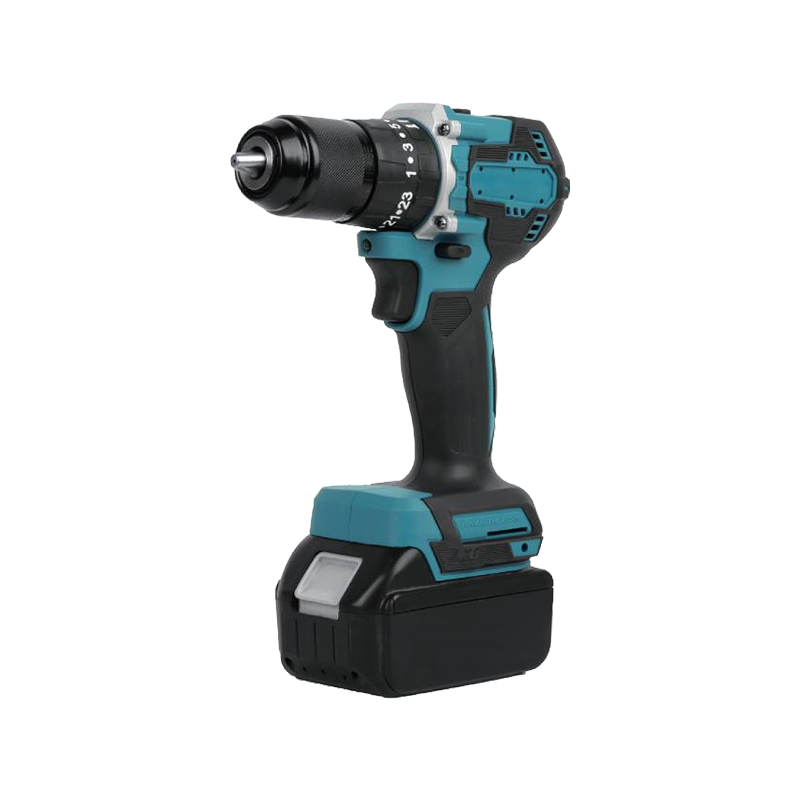 Brushless Compact Lightweight Cordless Impact Drill
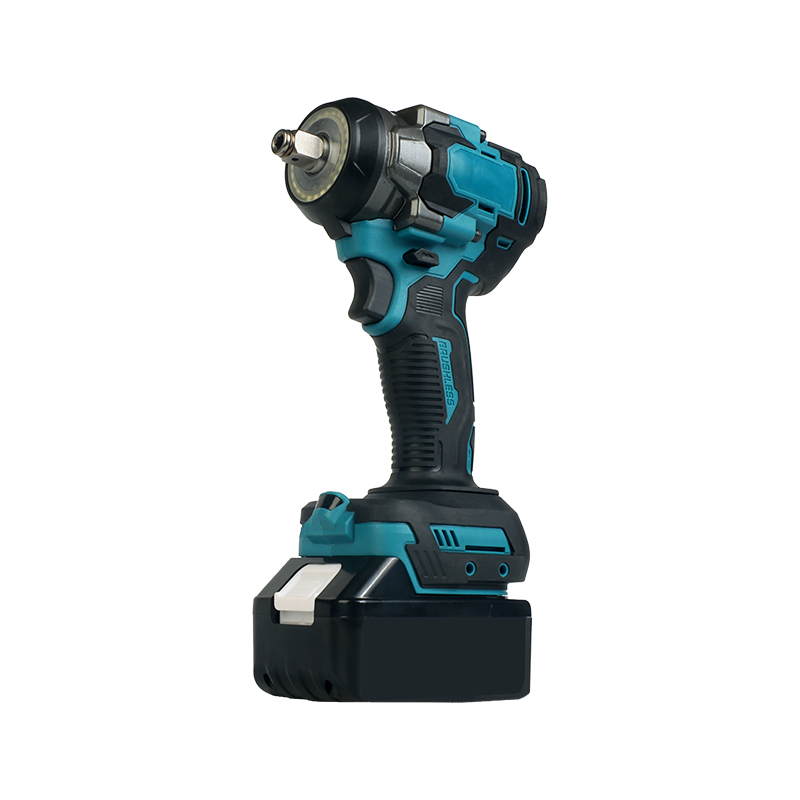 1/2" Square Dual-Purpose Mid-Torque Impact Wrench (470N.m)
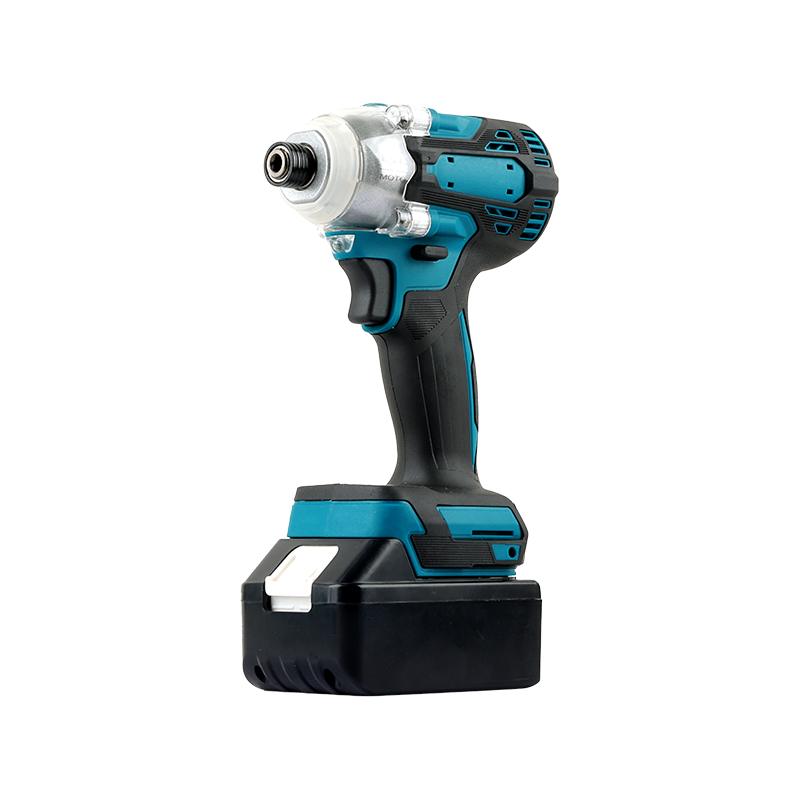 Brushless High-Torque Heavy-Duty Lithium Impact Driver
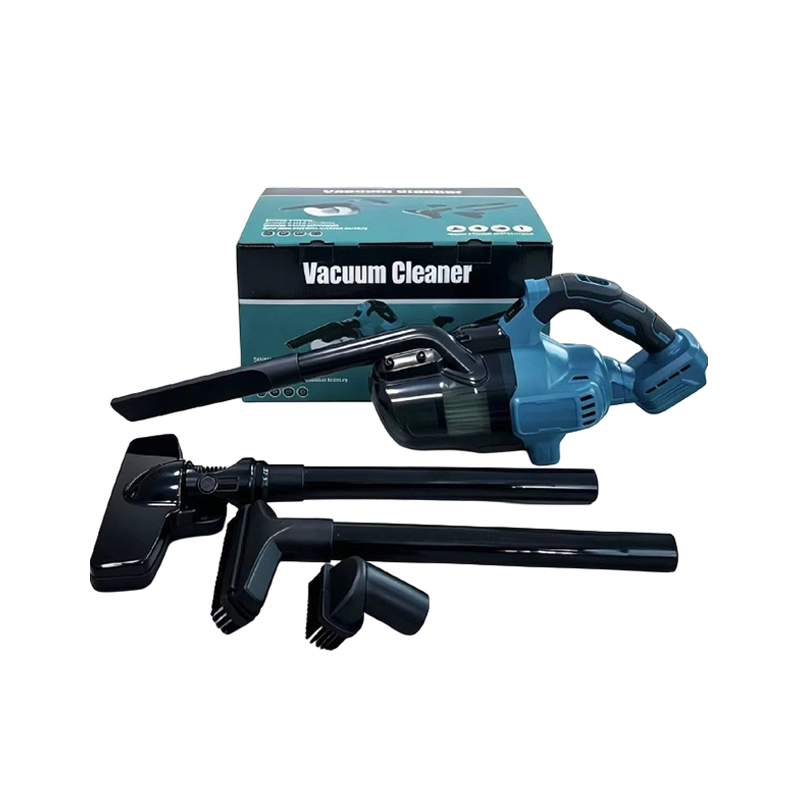 Cordless Handheld Vacuum Cleaner
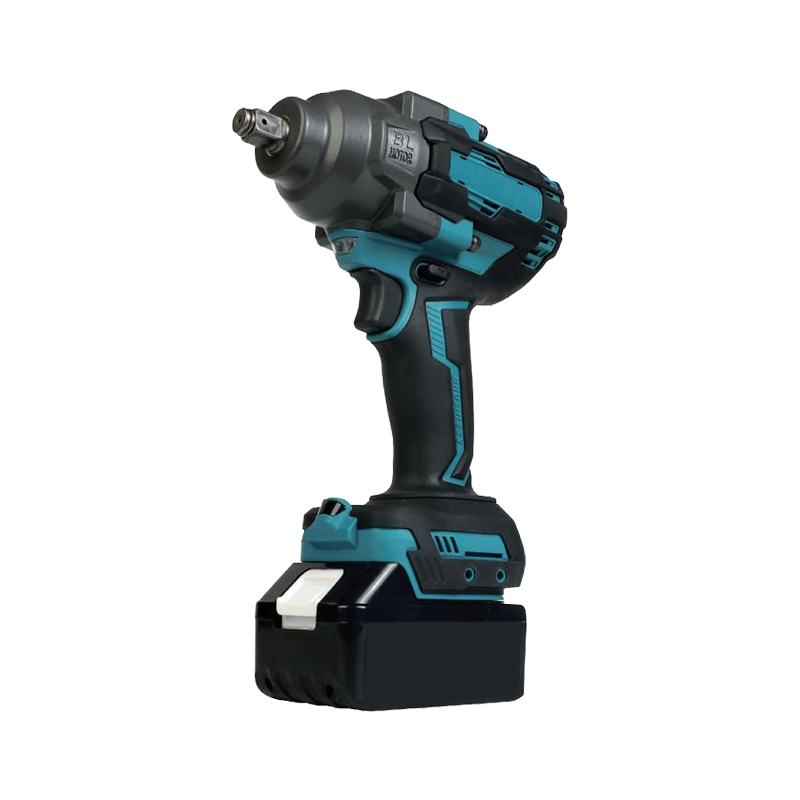 1/2" Square Master Premium High-Torque Impact Wrench
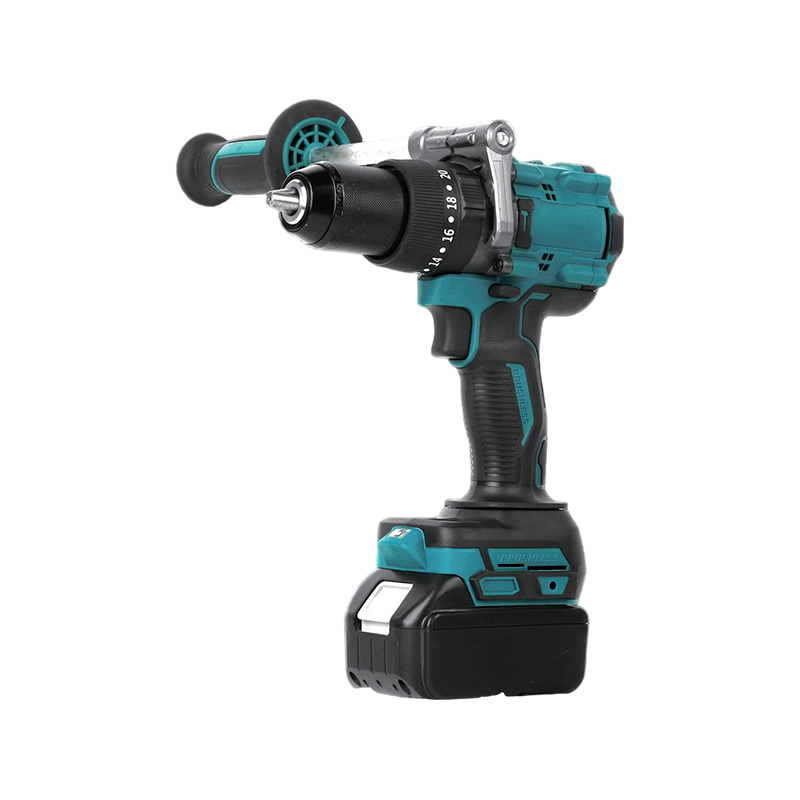 Brushless 21V Cordless Detachable Handle Impact Drill
Benefiting from 15 years of experience in construction tools, our blowers adopt high-performance brushless motors to deliver strong and stea...
READ MOREThe Cordless Impact Wrench delivers the highest torque output of the three tools — typically 200 to 1,200 Newton-metres — and is the correc...
READ MORE
Ready To Customise Your Products?

We are a professional machinery manufacturing enterprise integrating R&D, production and export. With stable product quality and strong export capabilities, we have established a good brand reputation in the global cordless and corded power tools market.
Product Categories
Quick Links
Contact Us
Telephone:
+86-138 6780 0831
+86-137 3610 1054
Email:
jacky@flonpro.com
Lucy@flonpro.com
Company Address
No. 88, Meiyuan Industrial Zone, Yinjiang Town, Haishu District, Ningbo, Zhejiang, China
