 English
 عربى
عربىINDUSTRY NEWS · TORQUE & FASTENING cordless impact wrenches: Are cordless impact wrenches any good, what torque really removes lug nut...
READ MORE
The Cordless Impact Wrench delivers the highest torque output of the three tools — typically 200 to 1,200 Newton-metres — and is the correct choice for loosening and tightening large bolts, lug nuts, and heavy machinery fasteners. A Cordless Impact Driver produces 150 to 350 Newton-metres of torque in a more compact body, making it the standard tool for driving screws and smaller fasteners in construction, woodworking, and electrical work. A Cordless Impact Drill combines the impact mechanism with a variable-speed drill function and a keyless chuck, making it the most versatile of the three for users who need to both drill holes and drive fasteners without swapping tools.
The key to choosing correctly is understanding the fastener size and torque requirement of your primary task. If you are changing tyres, assembling steel structures, or working in automotive service, the Cordless Impact Wrench is the correct tool. If you are hanging drywall, installing decking, or driving wood screws at volume, the Cordless Impact Driver is faster and more efficient. If you regularly drill into wood, metal, or masonry and also drive fasteners in the same workflow, the Cordless Impact Drill gives you both capabilities in one platform.
The Cordless Impact Wrench is the highest-torque cordless fastening tool in the three-tool category. Its internal hammer-and-anvil impact mechanism fires rotational hammer blows at 1,000 to 3,200 impacts per minute, converting the motor's continuous rotation into intermittent high-force torsional strikes that achieve torque levels no standard drill motor can sustain continuously. The impact mechanism also isolates the operator's wrist from the reaction torque, making it possible to apply 1,000 or more Newton-metres of torque without the tool twisting dangerously in the hand.
The motor drives a hammer plate that rotates freely until it builds sufficient energy to engage the anvil — the output shaft connected to the drive socket. When the hammer engages the anvil, it delivers a concentrated rotational impact. After impact, the hammer disengages and spins freely again to build the next strike. This cycle repeats 1,000 to 3,200 times per minute depending on the tool's design and speed setting. The result is a tool that can apply enormous torque to a fastener without the continuous reaction torque that would otherwise require the user to brace against a large rotational force.
Cordless Impact Wrenches are available in four primary drive sizes, each suited to a specific torque range and application:
Choose the Cordless Impact Wrench when the primary task is one or more of the following:
Do not use a Cordless Impact Wrench for driving wood screws or small machine screws. The high torque and impact force will strip the screw head, overdrive the fastener into the material, or split the workpiece on the first impact. The impact wrench lacks the torque sensitivity needed for controlled fastener seating in wood, drywall, and plastic applications.
The Cordless Impact Driver uses the same hammer-and-anvil impact mechanism as the impact wrench but in a compact, lightweight body with a 1/4 inch hexagonal bit holder rather than a square drive socket. This hex bit holder accepts all standard 1/4 inch hex shank screwdriver bits, nut driver bits, and some specialty bits, giving the impact driver access to the same bit ecosystem used with standard cordless drills while delivering rotational impact force that standard drills cannot produce.
When a standard cordless drill encounters resistance while driving a screw, the motor simply stalls or the torque clutch disengages. The operator must stop, reposition, and continue. A Cordless Impact Driver responds to resistance by activating its hammer mechanism, which multiplies the effective torque at the bit tip through repeated impacts rather than continuous motor torque. This impact assistance allows the driver to push through knots in wood, dense hardwood grain, and metal-to-wood fastening situations that would stall a standard drill at the same battery voltage and motor size.
In field productivity comparisons on framing and decking tasks, a Cordless Impact Driver drives 3 to 5 times more screws per battery charge than an equivalent-voltage standard drill-driver, because the impact mechanism requires less continuous motor current to overcome fastener resistance, preserving battery energy for more work cycles per charge. The combination of higher speed, lower battery drain per fastener, and lighter tool weight (most compact impact drivers weigh 1.0 to 1.4 kilograms) makes the impact driver the default tool of choice for any screw-intensive application.
The Cordless Impact Driver cannot accept round-shank drill bits because its 1/4 inch hex chuck only grips hex shank fittings. For drilling holes, a hex shank drill bit adaptor or a separate drill is required. The impact mechanism also makes it unsuitable for precision drilling where the impact firing creates slight positional jumps at the bit tip that cause the hole to drift from its intended centre, particularly in metal drilling where hole position tolerance is tight. For drilling applications, the Cordless Impact Drill is the appropriate tool.
The Cordless Impact Drill — also called a hammer drill or combi drill in different markets — combines three functions in a single tool: standard rotary drilling, rotary drilling with forward hammer action (for masonry and concrete), and screwdriver mode with a torque-limiting clutch. The forward hammer action in a Cordless Impact Drill is mechanically different from the rotational impact of an impact wrench or driver: the hammer drill's anvil strikes the drill bit in the axial direction (pushing it forward into the masonry), while the wrench and driver's anvil strikes the output shaft in the rotational direction (twisting the fastener).
The most common point of confusion between these two tools is between the Cordless Impact Drill and the Cordless Impact Driver. The core difference is the direction of impact:
For a user who needs only one tool and whose work spans both drilling and fastener driving, the Cordless Impact Drill is the more versatile choice. For a professional who drills and drives at high volume in separate dedicated tasks, owning both the Cordless Impact Driver and a separate SDS hammer drill provides better productivity than relying on the combi drill for both functions.
Understanding the published specifications of a Cordless Impact Wrench, Cordless Impact Driver, or Cordless Impact Drill allows buyers to compare products meaningfully rather than relying solely on brand reputation or price tier. The following specifications are the most practically significant for real-world performance.
Most manufacturers publish two torque figures: maximum torque (the highest instantaneous torque the tool can produce in ideal test conditions) and fastening torque (the typical torque achieved when actually driving a fastener into material). The fastening torque figure is more useful for real-world task planning because it reflects the tool's actual working output rather than its laboratory peak. For a 1/2 inch Cordless Impact Wrench, expect fastening torque of 40% to 70% of the stated maximum torque. A tool rated at 700 Newton-metres maximum typically delivers 300 to 490 Newton-metres in sustained fastening tasks.
Impacts per minute measures how many hammer strikes the tool delivers to the anvil per minute. Higher IPM generally means faster fastener driving, but the relationship between IPM and productivity also depends on hammer energy per strike. No-load speed (RPM) is the output shaft rotation speed with no load applied. For a Cordless Impact Driver, typical values are 2,800 to 3,600 RPM and 3,600 to 4,600 IPM in the high-speed mode. Higher RPM and IPM together improve screw driving speed in easy-to-medium applications, while higher torque per impact becomes more important in harder materials and longer fasteners.
| Battery Voltage | Typical Tool | Typical Max Torque Range | Best Application | Tool Weight (approx.) |
|---|---|---|---|---|
| 12V | Compact impact driver or drill | 100 to 150 Nm | Light assembly, electrician and plumber toolkit | 0.8 to 1.1 kg |
| 18V or 20V | Full-size impact driver, impact drill, or mid-torque wrench | 150 to 700 Nm | General construction, automotive, woodworking | 1.2 to 2.2 kg |
| 36V or 54V | High-torque impact wrench | 700 to 2,000 Nm | Heavy construction, trucking, industrial maintenance | 2.5 to 5.0 kg |
Premium cordless impact tools in all three categories now include electronic speed and mode controls that go beyond the basic high-low gear switch of earlier designs:
| Feature | Cordless Impact Wrench | Cordless Impact Driver | Cordless Impact Drill |
|---|---|---|---|
| Impact direction | Rotational | Rotational | Axial (forward) plus rotation |
| Chuck or drive type | Square drive (3/8, 1/2, 3/4, 1 inch) | 1/4 inch hex collet | Keyless 3-jaw chuck (10 or 13 mm) |
| Typical max torque | 200 to 1,200 Nm | 150 to 350 Nm | 50 to 130 Nm (drill torque) |
| Can drive screws | Only large bolts and lag screws | Yes, all standard screws | Yes, with torque clutch control |
| Can drill wood or metal | No | Limited (hex shank bits only) | Yes, full bit range |
| Can drill masonry | No | No | Yes (hammer mode) |
| Typical user | Mechanic, tyre service, steel erector | Carpenter, builder, electrician | DIY, general trade, multi-task professional |
| Price range (18V class) | USD 80 to USD 350 | USD 60 to USD 250 | USD 50 to USD 220 |
Both tools use a rotational hammer-and-anvil mechanism, but they differ in output size, torque range, and intended fastener type. A Cordless Impact Wrench has a square drive output (most commonly 1/2 inch) and delivers 200 to 1,200 Newton-metres of torque, designed for large bolts and lug nuts. A Cordless Impact Driver has a 1/4 inch hex collet and delivers 150 to 350 Newton-metres, designed for screws, wood fasteners, and smaller machine bolts using standard screwdriver bits. The impact wrench is the right tool when the fastener requires a socket; the impact driver is the right tool when the fastener requires a screwdriver bit.
A Cordless Impact Driver can drill holes using hex shank drill bits that fit its 1/4 inch collet, but it is not ideal for drilling. The rotational impact mechanism causes the bit to jump slightly at each impact, making it difficult to start a hole accurately and maintain a straight path through the material. For drilling tasks, a Cordless Impact Drill or standard cordless drill with a keyless chuck is more appropriate because the continuous rotation (without rotational impacts) keeps the bit tracking straight and allows accurate hole positioning.
In common usage, a Cordless Impact Drill and a hammer drill refer to the same type of tool. The "impact" in Cordless Impact Drill refers to the forward axial hammer action used for masonry drilling, not the rotational impact of the impact wrench or driver. Both names describe a tool with three modes: standard rotation, forward hammer rotation (for masonry), and torque-controlled screwdriver mode. The tool is also called a combi drill or combination drill driver in some markets.
Passenger car lug nuts are typically tightened to 100 to 150 Newton-metres by the manufacturer, and may be seized to equivalent or higher torque after years of corrosion and heat cycling. A 1/2 inch Cordless Impact Wrench with a minimum of 300 Newton-metres of fastening torque is adequate for most passenger cars under normal conditions. For light trucks, SUVs, and any vehicle in a corrosion-prone climate, a wrench with 400 to 600 Newton-metres of fastening torque provides a comfortable working margin. A 700 Newton-metre or above wrench ensures reliable removal of seized or over-torqued lug nuts on vehicles up to medium truck size.
The most consistently highly rated Cordless Impact Driver brands in professional trade and independent review evaluations are Milwaukee Tool (M18 FUEL series), Makita (18V LXT series), DeWalt (20V MAX ATOMIC and XR series), and Festool (18V Centrotec series). Milwaukee and Makita consistently lead for raw torque output and longevity in professional daily use. DeWalt offers strong performance at a slightly lower price point. Festool is preferred in fine woodworking for its precision mode and system compatibility. For the home user and occasional professional, Ryobi and Bosch offer reliable performance at 30% to 50% lower cost than the premium professional brands.
Choose a 12V Cordless Impact Driver if tool weight and compactness are the primary priorities and the tasks are light-duty to medium-duty (driving screws up to 100 mm in standard wood, installing electrical boxes and conduit clips, light assembly work). A 12V driver at 0.8 to 1.0 kilograms is significantly lighter than an 18V model at 1.2 to 1.6 kilograms, and this difference matters significantly over a full working day of repetitive use. Choose 18V when the tasks include driving structural screws (100 to 150 mm length), working in hard or dense timber, or any application where the battery needs to last through a full 8-hour workday across multiple tasks, as the larger battery capacity of the 18V platform provides more work between charges.
Not directly. A Cordless Impact Wrench has a square drive output that accepts sockets, not hex shank screwdriver bits. However, you can use a 1/4 inch hex to square drive adapter (available in 3/8 inch and 1/2 inch square sizes) that converts the impact wrench's square drive to a 1/4 inch hex collet, allowing standard impact driver bits to be used. This setup is useful when a hex-bit fastening task (such as driving a large lag bolt with a hex head) arises during work where the impact wrench is the primary tool. However, the impact wrench's high torque output can strip the screw head or overtighten the fastener at small screw sizes, so torque-sensitive fastener driving on this adapter setup requires careful trigger control.
Battery life on a Cordless Impact Drill depends on the battery capacity (measured in amp-hours, Ah), the task being performed, and the material being worked. A 5.0 Ah 18V battery on a quality combi drill will typically drive 200 to 400 standard 4 mm x 40 mm wood screws or drill 80 to 150 holes of 10 mm diameter in standard construction timber before requiring recharge. In hammer drill mode on masonry, the current draw is significantly higher and the same battery will drill 40 to 80 holes of 10 mm diameter in brick before depletion. For all-day professional use, a second battery kept charged allows work to continue without interruption while the depleted battery recharges. Most 18V batteries from major brands reach 80% charge in 30 to 45 minutes with their fast chargers.
For most automotive service applications, a quality 18V 1/2 inch Cordless Impact Wrench with 600 to 900 Newton-metres of torque is a practical replacement for a standard pneumatic air wrench in a workshop setting. Premium brushless cordless models from Milwaukee, Makita, and DeWalt match or exceed the torque output of standard shop air wrenches at 90 PSI, and their portability advantage (no air hose or compressor required) makes them preferable for mobile mechanics, tyre changing on location, and work in areas where a compressor cannot easily be positioned. For very high-torque specialised tasks (heavy truck lug nuts at 500 to 700 Newton-metres, large industrial flange bolts), a high-voltage cordless platform (36V or 54V) or a dedicated pneumatic wrench remains the more reliable choice.
Key safety practices for all three tools: always use impact-rated sockets on a Cordless Impact Wrench — standard chrome-vanadium sockets can shatter under impact forces and project fragments at high velocity; never use chrome sockets with an impact wrench. Wear safety glasses whenever operating any of the three tools, as bit fragments, workpiece chips, and drive adapter components can become projectiles during tool failure. Secure the workpiece firmly before drilling or driving to prevent the tool from pulling the material and causing injury. On a Cordless Impact Drill in hammer mode, use only carbide-tipped masonry bits rated for hammer action; standard high-speed steel bits will break in hammer mode. Keep battery contacts clean and dry, and use only manufacturer-approved batteries to avoid electrical faults from incompatible battery chemistry. Inspect bits and sockets for cracks or deformation before each use session, as impact forces accelerate fatigue cracking in worn accessories.
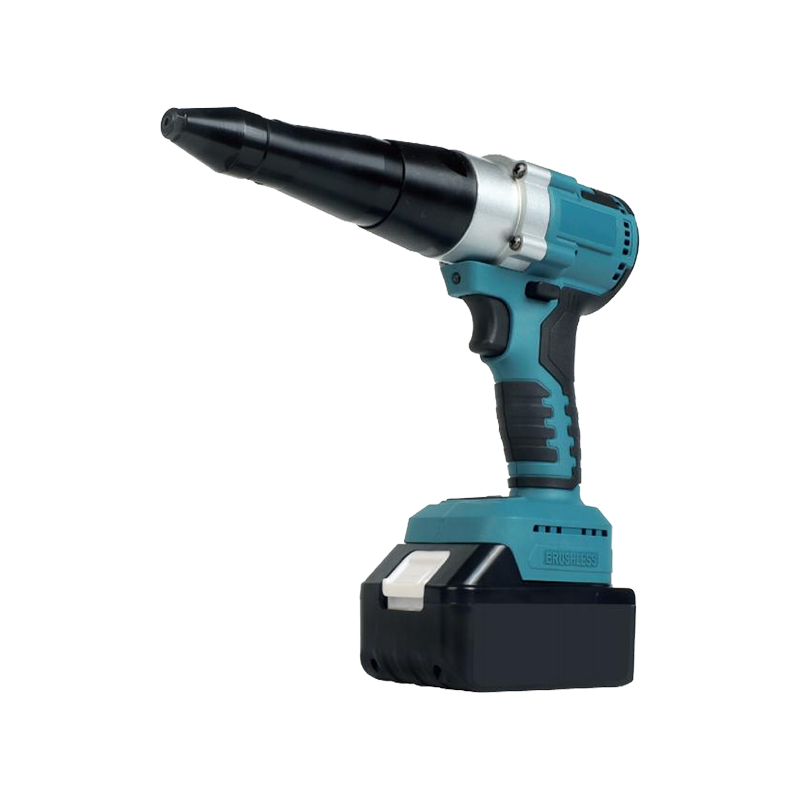 Brushless 21V Cordless Riveter for Aluminum Rivets
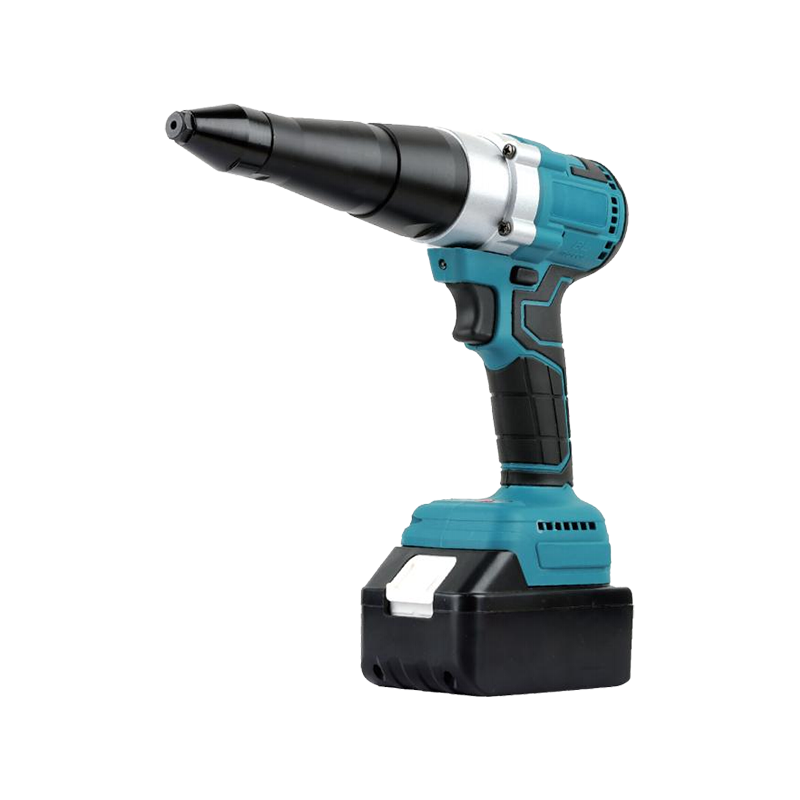 Brushless 21V Cordless Blind Rivet Tool
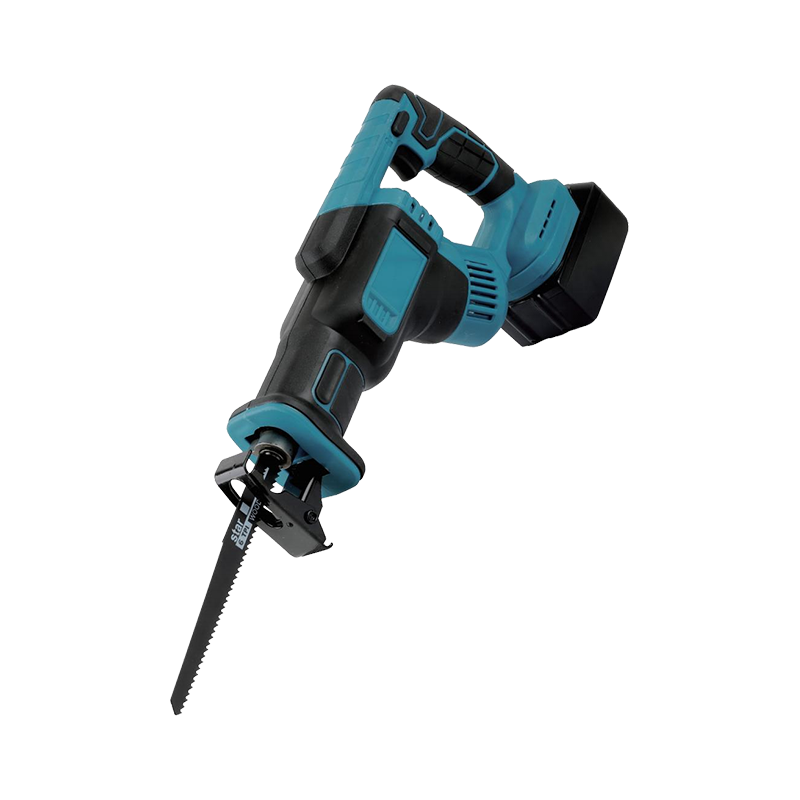 Brushless 21V Cordless D-Handle Reciprocating Saw for Heavy-Duty Demolition
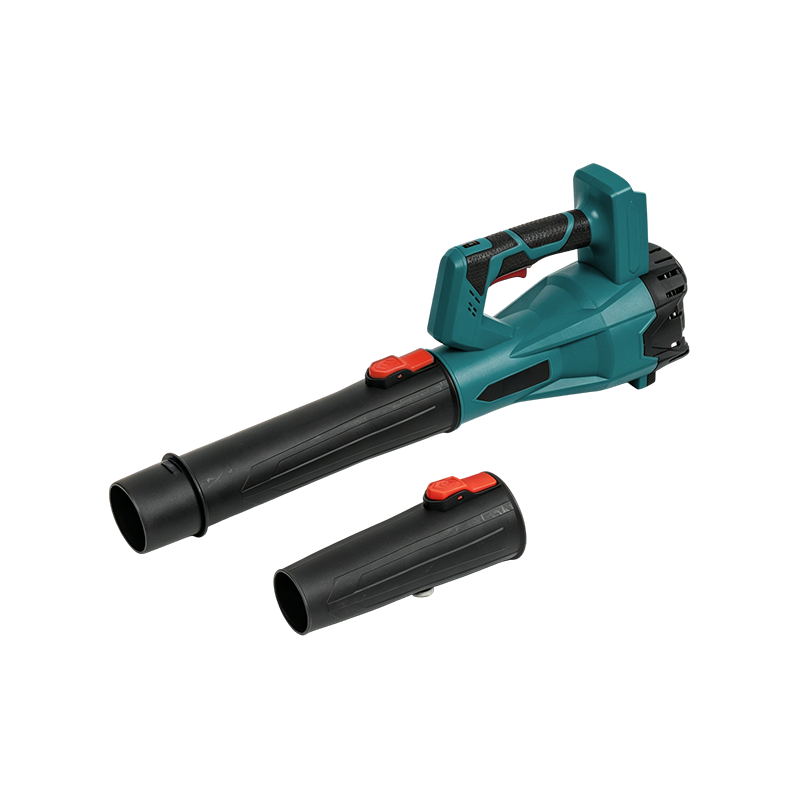 Cordless Leaf Blower
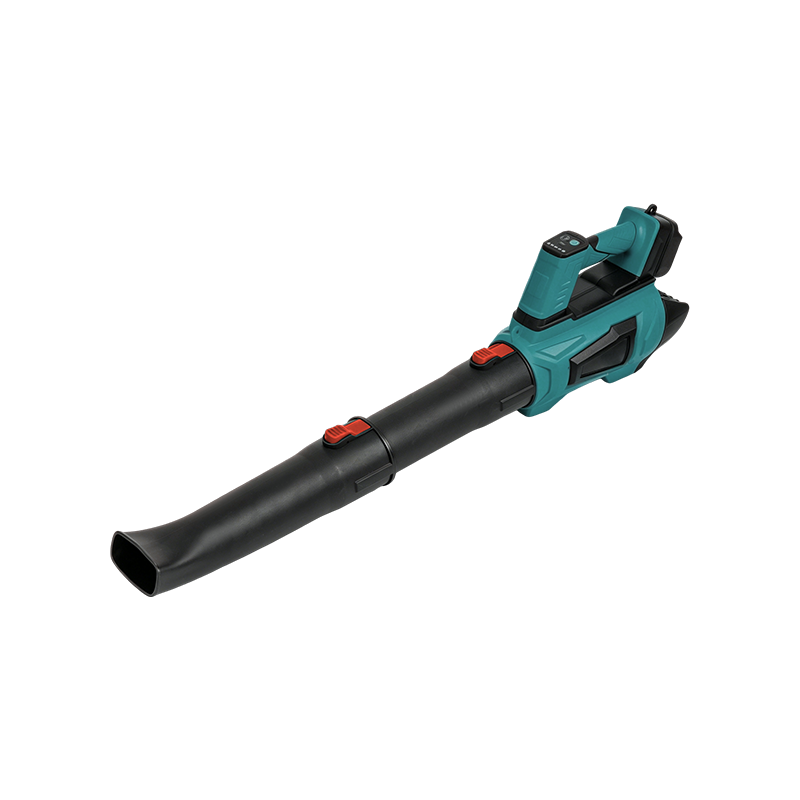 GQ-B10 Cordless Leaf Blower Lightweight Design for Outdoor Use
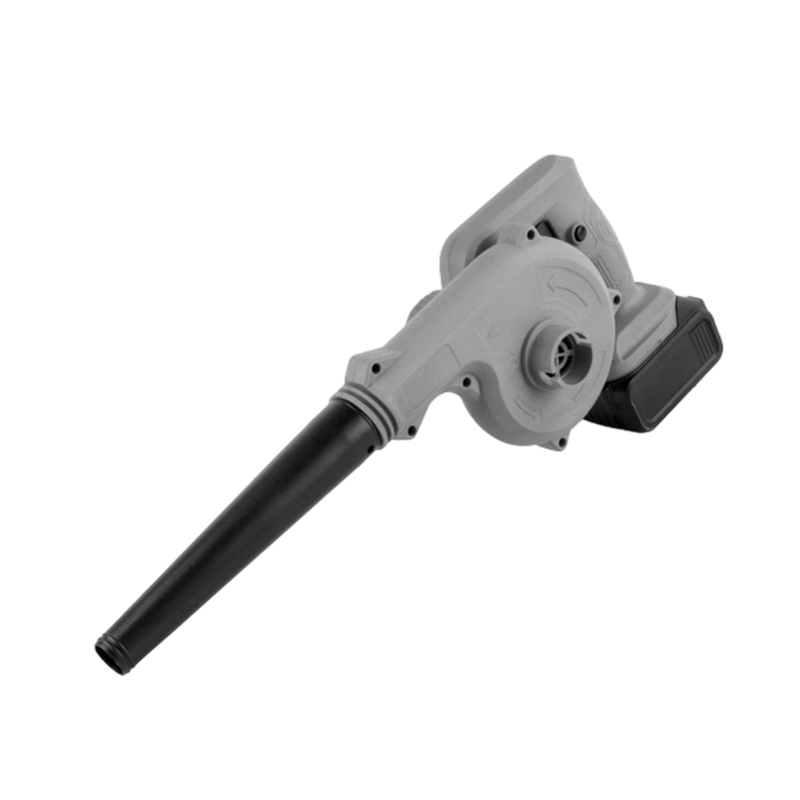 21V Cordless Handheld Leaf Blower for Lawn and Garden Care
INDUSTRY NEWS · TORQUE & FASTENING cordless impact wrenches: Are cordless impact wrenches any good, what torque really removes lug nut...
READ MOREBenefiting from 15 years of experience in construction tools, our blowers adopt high-performance brushless motors to deliver strong and stea...
READ MOREAs a professional manufacturer focusing on construction tools for 15 years, FLONPRO concrete vibrator poker adopts advanced brushless motor ...
READ MORE
Ready To Customise Your Products?

We are a professional machinery manufacturing enterprise integrating R&D, production and export. With stable product quality and strong export capabilities, we have established a good brand reputation in the global cordless and corded power tools market.
Product Categories
Quick Links
Contact Us
Telephone:
+86-138 6780 0831
+86-137 3610 1054
Email:
jacky@flonpro.com
Lucy@flonpro.com
Company Address
No. 88, Meiyuan Industrial Zone, Yinjiang Town, Haishu District, Ningbo, Zhejiang, China
